Labour signals early election as Burnham hints at scrapping voter ID checks
Andy Burnham's latest comments suggest the government may be preparing for an early general election, with moves to remove photo identification requirements at polling stations raising questions about electoral integrity.
Senior Labour figures are dropping hints that an early general election could be on the horizon, with Manchester mayor Andy Burnham appearing to signal the party's readiness to dissolve Parliament sooner than the fixed five year term would dictate. The timing of these remarks coincides with moves to dismantle voter photo identification requirements at the ballot box, a policy that has drawn scrutiny from those concerned about electoral security.
Burnham's recent comments have been interpreted by observers as a deliberate signal that Labour may be plotting a snap election, potentially before the scheduled date in 2029. The government has offered no formal confirmation, but such leaks from senior figures typically precede significant political moves. An early election would give Labour an opportunity to secure a fresh mandate while public opinion remains relatively favourable, and before local difficulties accumulate.
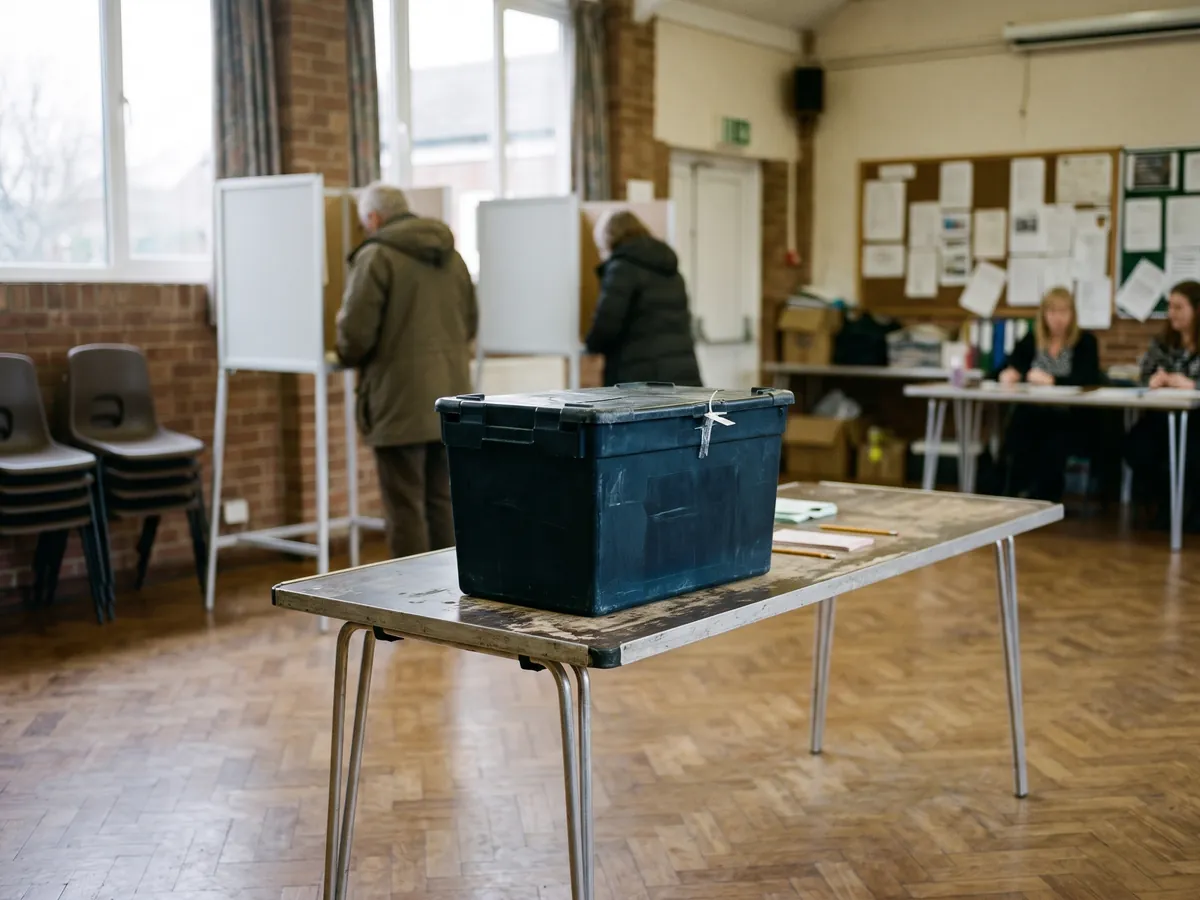
Particularly contentious is Labour's apparent eagerness to reverse the voter photo identification policy introduced by the previous Conservative administration. The requirement that voters present photographic ID at polling stations was designed to prevent electoral fraud and protect the integrity of the ballot. Removing this safeguard raises fundamental questions about election security and whether the government's true motivation is administrative convenience or something more politically calculated.
Reform UK and other observers have warned that abandoning voter ID checks without robust alternative verification measures could create vulnerabilities in the electoral process. The policy reversal appears driven more by partisan advantage than evidence based argument, given that other mature democracies routinely employ voter identification as standard practice. Critics argue that protecting ballot integrity should transcend party politics.
What remains unclear is whether Labour genuinely believes the ID requirement is unnecessary, or whether the party simply calculates that removing it serves its electoral interests. Either way, the combination of early election signals and moves to weaken voting safeguards suggests a government focused on maximising its political advantage rather than strengthening democratic institutions. Voters should watch carefully for any formal announcement and demand clarity on why electoral protections are being dismantled.