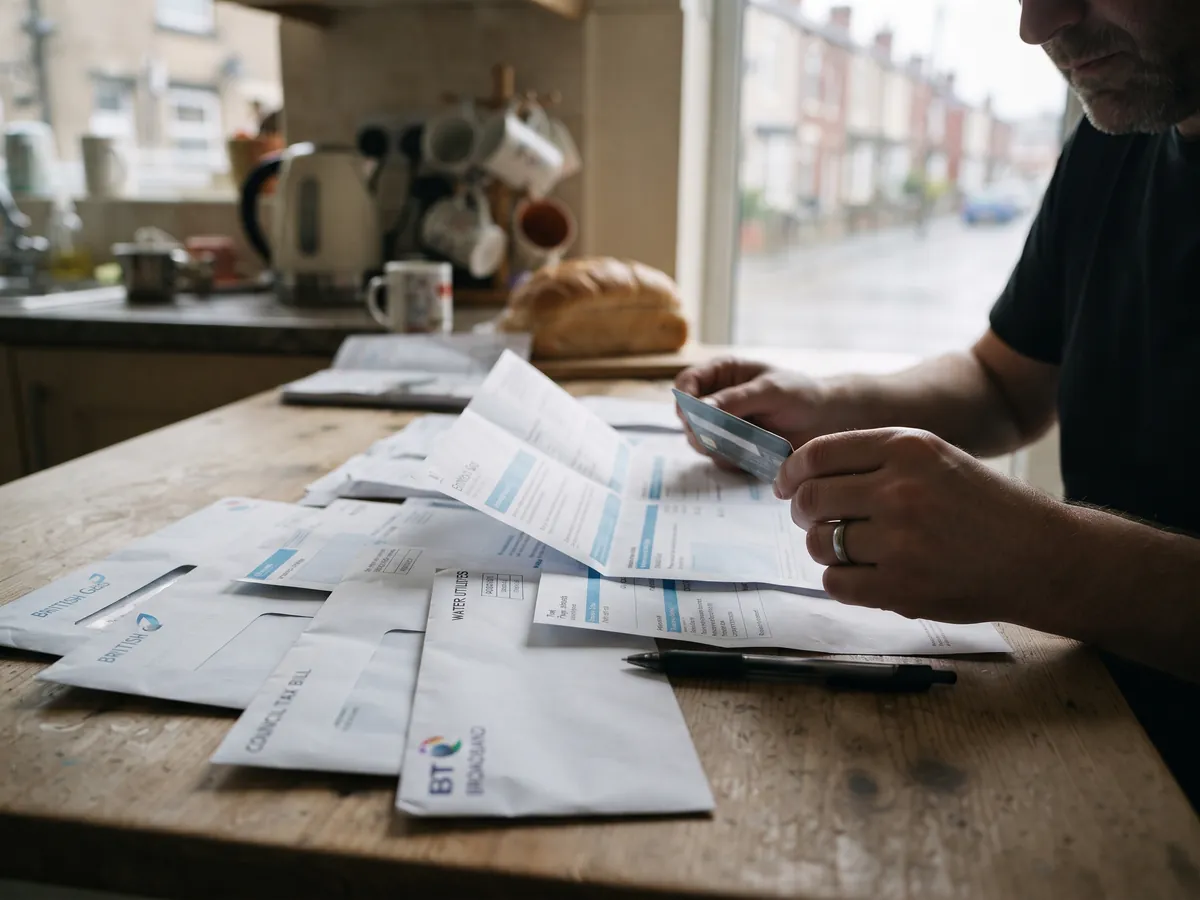
Energy bills relief plan unveiled as Healey scraps green levies in Budget
The government has moved to ease household energy costs by removing environmental charges from bills. The move comes as Scottish ministers demand substantial support for struggling families facing winter.
The 2026 Budget has signalled a shift in energy policy, with plans to scrap green levies that currently add to household bills. This reduction represents a tangible cut to domestic energy costs at a time when families face mounting winter pressures and long term affordability concerns.
Energy bills have become a flashpoint for household finances. Removing environmental levies from the charge structure addresses a core complaint: that green policy costs are passed directly to consumers without sufficient transparency or offsetting support. Households paying hundreds of pounds annually for energy will see at least some portion of those bills reduced by this measure.
Scottish First Minister John Swinney has separately called for substantial government support on energy bills in the Budget itself, signalling that devolved administrations view this issue as urgent. The timing reflects genuine hardship: fuel poverty affects millions of UK households, and winter demand typically peaks between October and March. Workers on modest incomes and pensioners on fixed incomes face the sharpest squeeze.
The decision to cut green levies rather than introduce new direct subsidies reflects a preference for permanent structural reform over temporary handouts. That approach aligns with arguments that regulatory costs embedded in bills represent poor value and deter investment in energy security. However, it raises questions about how environmental standards will be funded and whether the move signals a longer term retreat from climate commitments.
What matters for households is immediate: lower bills mean more disposable income for food, transport, and other essentials. For small businesses dependent on energy, reduced operating costs improve margins and competitiveness. The practical impact depends on how much of the levy removal translates to customer bills rather than being absorbed elsewhere.
Readers should watch how much the levy cut actually reduces bills in practice, whether Scottish calls for further support are met, and whether other countries follow suit or impose trade barriers on UK goods in response to perceived policy shifts. The Budget's full energy strategy and any new green funding mechanisms will clarify whether this is genuine cost reduction or merely cost shifting.