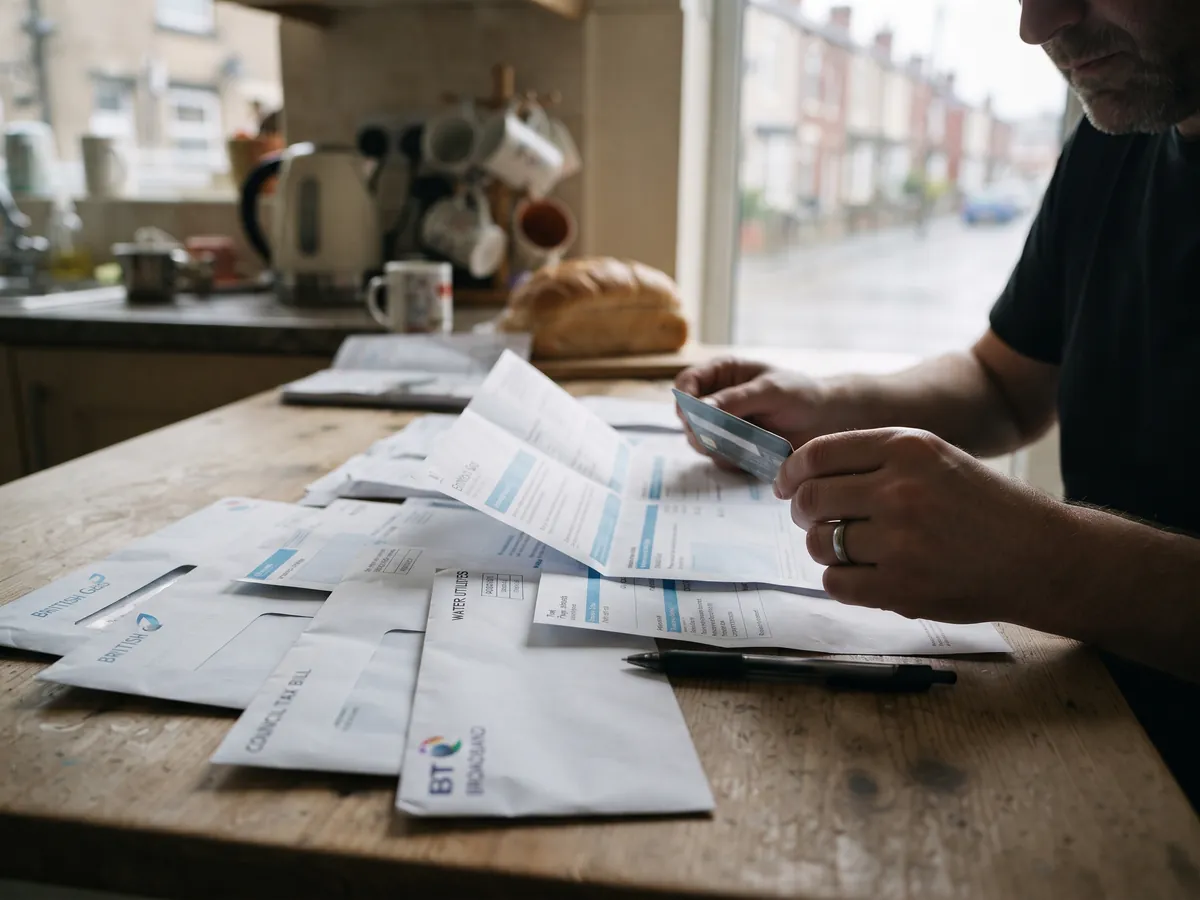
Budget energy plan leaves disabled households facing winter crisis, charities warn
The government's energy reforms fall short of protecting vulnerable people from soaring bills this winter, disability rights campaigners say. Households face mounting pressure as costs remain unaffordable.
Disability rights organisations have rejected the government's energy reform package, warning that it fails to address the spiralling costs crushing vulnerable households heading into winter. The criticism exposes a gap between ministerial claims about putting power back in people's hands and the lived reality for millions struggling with unaffordable bills.
The government has announced energy reforms designed to cut bills and increase consumer choice in the market. Ministers argue the measures will empower households and improve competition. Yet charities working directly with disabled people and those on low incomes say the package does not go far enough to tackle the core problem: energy costs remain fundamentally unaffordable for those least able to absorb price shocks.
For disabled households in particular, the stakes are acute. Many cannot reduce consumption by switching off heating or cutting back on essential appliances that support their health and independence. A household reliant on powered medical equipment, mobility aids, or climate control cannot simply endure higher bills by tightening their belt. The reforms announced so far do not address this structural reality, leaving these households facing a choice between heating and eating as winter deepens.
The disconnect between policy and need reflects a broader tension in how government tackles cost of living pressures. Reforms focused on market competition and consumer choice assume households have flexibility and bargaining power they often do not possess. For vulnerable groups, the priority is affordability itself, not the mechanics of how energy is supplied. Without targeted support, reforms risk leaving the most precarious households behind.
The failure to protect disabled people from energy bills also raises questions about the adequacy of means tested support and whether universal measures are doing enough. Charities are calling for stronger intervention to ensure no household is forced into hardship or health risk by energy costs. Readers should watch for whether the government responds with additional measures targeting vulnerable groups, or whether it stands by a market led approach that critics argue leaves the poorest exposed.